Drying of herbs and spices


The exact composition of a herbal product is influenced by the method of extraction. A tisane will be rich in polar components because water is a polar solvent. Oil on the other hand is a non-polar solvent and it will absorb non-polar compounds. Alcohol lies somewhere in between. There are many forms in which herbs can be administered, these include:

  • Tinctures - Alcoholic extracts of herbs such as Echinacea extract. Usually obtained by combining 100% pure ethanol (or a mixture of 100% ethanol with water) with the herb. A completed tincture has a ethanol percentage of at least 25% (sometimes up to 90%).[67]. The term tincture is sometimes applied to preparations using other solvents than ethanol.
  • Herbal wine and elixirs - These are alcoholic extract of herbs; usually with an ethanol percentage of 12-38% [67] Herbal wine is a maceration of herbs in wine, while an elixir is a maceration of herbs in spirits (e.g., vodka, grappa, etc.)
  • Tisanes - Hot water extracts of herb, such as chamomile.
  • Decoctions - Long-term boiled extract of usually roots or bark.
  • Macerates - Cold infusion of plants with high mucilage-content as sage, thyme, etc. Plants are chopped and added to cold water. They are then left to stand for 7 to 12 hours (depending on herb used). For most macerates 10 hours is used.[67]
  • Vinegars - Prepared at the same way as tinctures, except using a solution of acetic acid as the solvent.
  • Topicals:
    • Essential oils - Application of essential oil extracts, usually diluted in a carrier oil (many essential oils can burn the skin or are simply too high dose used straight – diluting in olive oil or another food grade oil such as almond oil can allow these to be used safely as a topical).[68]
    • Salves, oils, balms, creams and lotions - Most topical applications are oil extractions of herbs. Taking a food grade oil and soaking herbs in it for anywhere from weeks to months allows certain phytochemicals to be extracted into the oil. This oil can then be made into salves, creams, lotions, or simply used as an oil for topical application. Any massage oils, antibacterial salves and wound healing compounds are made this way.
    • Poultices and compresses - One can also make a poultice or compress using whole herb (or the appropriate part of the plant) usually crushed or dried and re-hydrated with a small amount of water and then applied directly in a bandage, cloth or just as is.
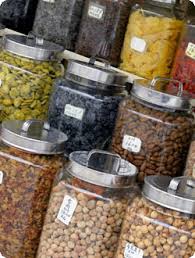
  • Whole herb consumption - This can occur in either dried form (herbal powder), or freshjuice, (fresh leaves and other plant parts).
  • Syrups - Extracts of herbs made with syrup or honey. Sixty five parts of sugar are mixed with 35 parts of water and herb. The whole is then boiled and macerated for three weeks.[67]
  • Extracts - Include liquid extracts, dry extracts and nebulisates. Liquid extracts are liquids with a lower ethanol percentage than tinctures. They can (and are usually) made by vacuum distilling tinctures. Dry extracts are extracts of plant material which are evaporated into a dry mass. They can then be further refined to a capsule or tablet.[67] A nebulisate is a dry extract created by freeze-drying.
  • Inhalation as in aromatherapy can be used as a mood changing treatment[69][70] to fight a sinus infection or cough [71][citation needed], or to cleanse the skin on a deeper level (steam rather than direct inhalation here)[citation needed]
  • Apply fresh herb paste on skin.
  • Ground herb and boil in water such as herbal tea.
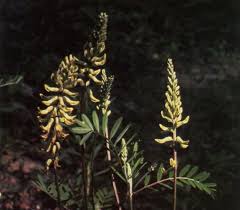


Use of medicinal plants can be as informal as, for example, culinary use or consumption of an herbal tea or supplement, although the sale of some herbs considered dangerous is often restricted to the public. Sometimes such herbs are provided to professional herbalists by specialist companies. Many herbalists, both professional and amateur, often grow or "wildcraft" their own herbs.

Some researchers trained in both western and traditional Chinese medicine have attempted to deconstruct ancient medical texts in the light of modern science. One idea is that the yin-yang balance, at least with regard to herbs, corresponds to the pro-oxidant and anti-oxidant balance. This interpretation is supported by several investigations of the ORAC ratings of various yin and yang herbs.[59][60]

In America, early settlers relied on plants imported from Europe, and also from local Indian knowledge. One particularly successful practitioner, Samuel Thomson developed a hugely popular system of medicine. This approach was subsequently broadened to include concepts introduced from modern physiology, a discipline called Physiomedicalism. Another group, the Eclectics, were a later offshoot from the orthodox medical profession, who were looking to avoid the then current medical treatments of mercury and bleeding, and introduced herbal medicine into their practices. Both groups were eventually overcome by the actions of the American Medical Association, which was formed for this purpose. Cherokee medicine tends to divide herbs into foods, medicines and toxins and to use seven plants in the treatment of disease, which is defined with both spiritual and physiological aspects, according to Cherokee herbalist David Winston.[61]

In India, Ayurvedic medicine has quite complex formulas with 30 or more ingredients, including a sizable number of ingredients that have undergone "alchemical processing", chosen to balance "Vata", "Pitta" or "Kapha."[62]

In Tamil Nadu, Tamils have their own medicinal system now popularly called the Siddha medicinal system. The Siddha system is entirely in the Tamil language. It contains roughly 300,000 verses covering diverse aspects of medicine such as anatomy, sex ("kokokam" is the sexual treatise of par excellence), herbal, mineral and metallic compositions to cure many diseases that are relevant even to-day. Ayurveda is in Sanskrit, but Sanskrit was not generally used as a mother tongue and hence its medines are mostly taken from Siddha and other local traditions.[63]

In addition there are more modern theories of herbal combination like William LeSassier's triune formula which combined Pythagorean imagery with Chinese medicine ideas and resulted in 9 herb formulas which supplemented, drained or neutrally nourished the main organ systems affected and three associated systems[citation needed]. His system has been taught to thousands of influential American herbalists through his own apprenticeship programs during his lifetime, the William LeSassier Archive[64] and the David Winston Center for Herbal Studies[65]. Different chemicals in herbs are more abundant than in a single drug. Some chemicals in herbs may work as growth hormones or anti-biotics, nutrients, and toxin neutralizers.

Many traditional African remedies have performed well in initial laboratory tests to ensure they are not toxic and in tests on animals. Gawo, a herb used in traditional treatments, has been tested in rats by researchers from Nigeria's University of Jos and the National Institute for Pharmaceutical Research and Development. According to research in the African Journal of Biotechnology, Gawo passed tests for toxicity and reduced induced fevers, diarrhoea and inflammation [6


A survey released in May 2004 by the National Center for Complementary and Alternative Medicine focused on who used complementary and alternative medicines (CAM), what was used, and why it was used. The survey was limited to adults, aged 18 years and over during 2002, living in the United States.

According to this survey, herbal therapy, or use of natural products other than vitamins and minerals, was the most commonly used CAM therapy (18.9%) when all use of prayer was excluded.[55][56]

Herbal remedies are very common in Europe. In Germany, herbal medications are dispensed by apothecaries (e.g., Apotheke). Prescription drugs are sold alongside essential oils, herbal extracts, or herbal teas. Herbal remedies are seen by some as a treatment to be preferred to pure medical compounds which have been industrially produced.[57]

In the United Kingdom, the training of medical herbalists is done by state funded Universities. For example, Bachelor of Science degrees in herbal medicine are offered at Universities such as University of East London, Middlesex University, University of Central Lancashire, University of Westminster, University of Lincoln and Napier University in Edinburgh at the present.

A 2004 Cochrane Collaboration review found that herbal therapies are supported by strong evidence but are not widely used in all clinical settings.[58]

A survey released in May 2004 by the National Center for Complementary and Alternative Medicine focused on who used complementary and alternative medicines (CAM), what was used, and why it was used. The survey was limited to adults, aged 18 years and over during 2002, living in the United States.

According to this survey, herbal therapy, or use of natural products other than vitamins and minerals, was the most commonly used CAM therapy (18.9%) when all use of prayer was excluded.[55][56]

Herbal remedies are very common in Europe. In Germany, herbal medications are dispensed by apothecaries (e.g., Apotheke). Prescription drugs are sold alongside essential oils, herbal extracts, or herbal teas. Herbal remedies are seen by some as a treatment to be preferred to pure medical compounds which have been industrially produced.[57]

In the United Kingdom, the training of medical herbalists is done by state funded Universities. For example, Bachelor of Science degrees in herbal medicine are offered at Universities such as University of East London, Middlesex University, University of Central Lancashire, University of Westminster, University of Lincoln and Napier University in Edinburgh at the present.

A 2004 Cochrane Collaboration review found that herbal therapies are supported by strong evidence but are not widely used in all clinical settings.[58]

herbal philosophy


Four approaches to the use of plants as medicine include:

1. The magical/shamanic

Almost all non-modern societies recognise this kind of use. The practitioner is regarded as endowed with gifts or powers that allow him/her to use herbs in a way that is hidden from the average person, and the herbs are said to affect the spirit or soul of the person.

2. The energetic

This approach includes the major systems of TCM, Ayurveda, and Unani. Herbs are regarded as having actions in terms of their energies and affecting the energies of the body. The practitioner may have extensive training, and ideally be sensitive to energy, but need not have supernatural powers.

3. The functional dynamic

This approach was used by early physiomedical practitioners, whose doctrine forms the basis of contemporary practice in the UK. Herbs have a functional action, which is not necessarily linked to a physical compound, although often to a physiological function, but there is no explicit recourse to concepts involving energy.

4. The chemical

Modern practitioners - called Phytotherapists - attempt to explain herb actions in terms of their chemical constituents. It is generally assumed that the specific combination of secondary metabolites in the plant are responsible for the activity claimed or demonstrated, a concept called synergy.

Most modern herbalists concede that pharmaceuticals are more effective in emergency situations where time is of the essence. An example would be where a patient had an acute heart attack that posed imminent danger. However they claim that over the long term herbs can help the patient resist disease, and that in addition, they provide nutritional and immunological support that pharmaceuticals lack. They view their goal as prevention as well as cure.

Herbalists tend to use extracts from parts of plants, such as the roots or leaves but not isolate particular phytochemicals.[42] Pharmaceutical medicine prefers single ingredients on the grounds that dosage can be more easily quantified. It is also possible to patent single compounds, and therefore generate income. Herbalists often reject the notion of a single active ingredient, arguing that the different phytochemicals present in many herbs will interact to enhance the therapeutic effects of the herb and dilute toxicity.[43] Furthermore, they argue that a single ingredient may contribute to multiple effects. Herbalists deny that herbal synergism can be duplicated with synthetic chemicals. They argue that phytochemical interactions and trace components may alter the drug response in ways that cannot currently be replicated with a combination of a few putative active ingredients.[44][45] Pharmaceutical researchers recognize the concept of drug synergism but note that clinical trials may be used to investigate the efficacy of a particular herbal preparation, provided the formulation of that herb is consistent.[46]


In specific cases the claims of synergy[47] and multifunctionality[48] have been supported by science. The open question is how widely both can be generalized. Herbalists would argue that cases of synergy can be widely generalized, on the basis of their interpretation of evolutionary history, not necessarily shared by the pharmaceutical community. Plants are subject to similar selection pressures as humans and therefore they must develop resistance to threats such as radiation, reactive oxygen species and microbial attack in order to survive.[49] Optimal chemical defenses have been selected for and have thus developed over millions of years.[50] Human diseases are multifactorial and may be treated by consuming the chemical defences that they believe to be present in herbs. Bacteria, inflammation, nutrition and ROS (reactive oxygen species) may all play a role in arterial disease.[51] Herbalists claim a single herb may simultaneously address several of these factors. Likewise a factor such as ROS may underlie more than one condition.[52] In short herbalists view their field as the study of a web of relationships rather than a quest for single cause and a single cure for a single condition.

In selecting herbal treatments herbalists may use forms of information that are not applicable to pharmacists. Because herbs can moonlight as vegetables, teas or spices they have a huge consumer base and large-scale epidemiological studies become feasible. Ethnobotanical studies are another source of information.[53] For example, when indigenous peoples from geographically dispersed areas use closely related herbs for the same purpose that is taken as supporting evidence for its efficacy.[citation needed] Herbalists contend that historical medical records and herbals are underutilized resources.[54] They favor the use of convergent information in assessing the medical value of plants. An example would be when in-vitro activity is consistent with traditional use.


Middle Ages

The uses of plants for medicine and other purposes changed little in early medieval Europe. Many Greek and Roman writings on medicine, as on other subjects, were preserved by hand copying of manuscripts in monasteries. The monasteries thus tended to become local centers of medical knowledge, and their herb gardens provided the raw materials for simple treatment of common disorders. At the same time, folk medicine in the home and village continued uninterrupted, supporting numerous wandering and settled herbalists. Among these were the “wise-women,” who prescribed herbal remedies often along with spells and enchantments. It was not until the late Middle Ages that women who were knowledgeable in herb lore became the targets of the witch hysteria. One of the most famous women in the herbal tradition was Hildegard of Bingen. A twelfth century Benedictine nun, she wrote a medical text called Causes and Cures.

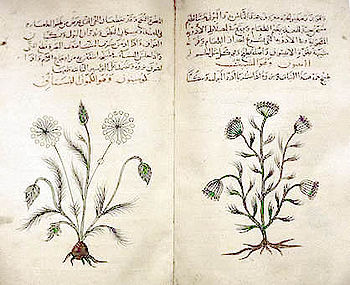
Medical schools known as Bimaristan began to appear from the 9th century in the medieval Islamic world, which was generally more advanced than medieval Europe at the time. The ArabsArabic for further study.[17] As a trading culture, the Arab travellers had access to plant material from distant places such as China and India. Herbals, medical texts and translations of the classics of antiquity filtered in from east and west.[18] Muslim botanists and Muslim physicians significantly expanded on the earlier knowledge of materia medica. For example, al-Dinawari described more than 637 plant drugs in the 9th century,[19] and Ibn al-Baitarfoods and drugs, over 300 of which were his own original discoveries, in the 13th century.[20] The experimental scientific method was introduced into the field of materia medica in the 13th century by the Andalusian-Arab botanist Abu al-Abbas al-Nabati, the teacher of Ibn al-Baitar. Al-Nabati introduced empirical techniques in the testing, description and identification of numerous materia medica, and he separated unverified reports from those supported by actual tests and observations. This allowed the study of materia medica to evolve into the science of pharmacology.[21] venerated Greco-Roman culture and learning, and translated tens of thousands of texts into described more than 1,400 different plants,

Avicenna's The Canon of Medicine (1025) is considered the first pharmacopoeia,[22] and lists 800 tested drugs, plants and minerals.[23] Book Two is devoted to a discussion of the healing properties of herbs, including nutmeg, senna, sandalwood, rhubarb, myrrh, cinammon, and rosewater.[17] Baghdad was an important center for Arab herbalism, as was Al-Andalus between 800 and 1400. Abulcasis (936-1013) of Cordoba authored The Book of Simples, an important source for later European herbals, while Ibn al-Baitar (1197–1248) of Malaga authored the Corpus of Simples, the most complete Arab herbal which introduced 200 new healing herbs, including tamarind, aconite, and nux vomica.[17][24] Other pharmacopoeia books include that written by Abu-Rayhan Biruni in the 11th century[citation needed] and Ibn Zuhr (Avenzoar) in the 12th century (and printed in 1491),[25] The origins of clinical pharmacology also date back to the Middle Ages in Avicenna's The Canon of Medicine, Peter of Spain's Commentary on Isaac, and John of St Amand's Commentary on the Antedotary of Nicholas.[26] In particular, the Canon introduced clinical trials,[27] randomized controlled trials,[28][29] and efficacy tests.[30][31]

Alongside the university system, folk medicine continued to thrive. The continuing importance of herbs for the centuries following the Middle Ages is indicated by the hundreds of herbals published after the invention of printing in the fifteenth century. Theophrastus’ Historia Plantarum was one of the first books to be printed, but Dioscorides’ De Materia Medica, Avicenna's Canon of Medicine and Avenzoar's pharmacopoeia were not far behind.


The fifteenth, sixteenth, and seventeenth centuries were the great age of herbals, many of them available for the first time in English and other languages rather than Latin or Greek. The first herbal to be published in English was the anonymous Grete Herball of 1526. The two best-known herbals in English were The Herball or General History of Plants (1597) by John Gerard and The English Physician Enlarged (1653) by Nicholas Culpeper. Gerard’s text was basically a pirated translation of a book by the Belgian herbalist Dodoens and his illustrations came from a German botanical work. The original edition contained many errors due to faulty matching of the two parts. Culpeper’s blend of traditional medicine with astrology, magic, and folklore was ridiculed by the physicians of his day yet his book - like Gerard’s and other herbals - enjoyed phenomenal popularity. The Age of Exploration and the Columbian Exchange introduced new medicinal plants to Europe. The Badianus Manuscript was an illustrated Aztec herbal translated into Latin in the 16th century.

The second millennium, however, also saw the beginning of a slow erosion of the pre-eminent position held by plants as sources of therapeutic effects. This began with the Black Death, which the then dominant Four Element medical system proved powerless to stop. A century later, Paracelsus introduced the use of active chemical drugs (like arsenic, copper sulfate, iron, mercury, and sulfur). These were accepted even though they had toxic effects because of the urgent need to treat Syphilis. The rapid development of chemistry and the other physical sciences, led increasingly to the dominance of chemotherapy - chemical medicine - as the orthodox system of the twentieth century.